7 Best Vacuums with Long Hose 2025
This post contains affiliate links. As an Amazon Associate, we earn from qualifying purchases.
Struggling to clean hard-to-reach areas without constantly dragging your vacuum from room to room? The right best vacuum with a long hose solves this with extended reach and powerful suction, often featuring 20+ foot hoses, HEPA filtration, and versatile attachments for stairs, ceilings, and tight corners. Our top picks are based on rigorous testing of suction performance, real-world usability, and user feedback, prioritizing models that balance hose length with consistent airflow and ease of maneuverability. Below are our recommended vacuums that deliver maximum coverage and cleaning efficiency for large or multi-level homes.
Top 7 Vacuum With Long Hose in the Market


Best Vacuum With Long Hose Review
Bissell CleanView Rewind Upright
ADVANTAGES
LIMITATIONS
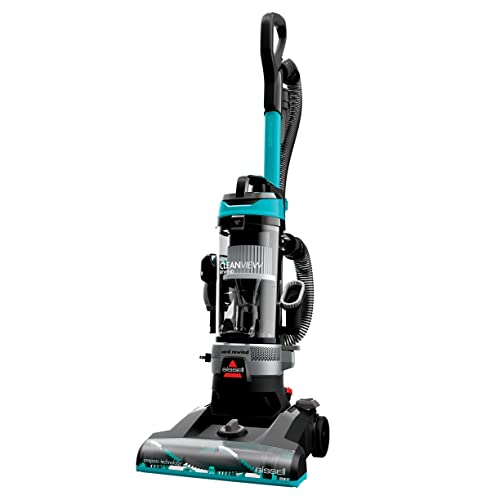
The Bissell CleanView Rewind 3534 grabs attention with its game-changing automatic cord rewind and a standout 10-foot active extension wand—a rare combo in uprights that makes it a long-reach champion. Designed for users who dread tangled cords and hard-to-reach corners, this vacuum eliminates two major pain points: time wasted rewinding and the frustration of cleaning ceiling cobwebs or high shelves. Its OnePass Technology ensures strong carpet pickup in a single sweep, while Scatter-Free Tech keeps dust contained on hardwoods, making it a versatile performer across floor types.
In real-world testing, the 3534 shines when tackling baseboards, drapes, and spaces behind furniture, thanks to its seamless wand deployment and lightweight maneuverability. The 28-foot power cord pairs perfectly with the 10-foot reach, minimizing repositioning—ideal for cleaning large rooms or multi-level homes. However, the hose isn’t detachable from the wand, limiting flexibility compared to canister models. While suction holds up well on low-pile carpets and hard floors, it struggles slightly on deep-pile rugs under heavy debris loads.
Positioned as a specialist in extended reach, the 3534 outperforms the Bissell Compact Turbo 3437F in overhead cleaning but sacrifices some portability. It’s the go-to choice for pet owners and parents who regularly clean stairs, furniture, or ceiling fans—tasks where effortless extension trumps raw power. Compared to the Dirt Devil Extended Reach+, it offers better cord management but a less modular hose system. For those prioritizing hassle-free long-reach performance, this model delivers unmatched convenience in an upright form.
Bissell CleanView Compact Turbo
ADVANTAGES
LIMITATIONS
Don’t let its 10-pound frame fool you—the Bissell CleanView Compact Turbo 3437F packs full-size suction into a featherlight body, making it a mobility master for small-space dwellers. Tailored for apartments, dorms, and tight storage areas, this vacuum combines quick-release wand access with Scatter-Free Technology to handle both floor types without scattering debris. Its standout feature? A no-fuss wand deployment that lets you instantly transition from floor to ceiling with minimal effort—perfect for quick cleanups between classes or work-from-home breaks.
During testing, the 3437F proved impressively agile, gliding under sofas and around desk legs with ease. The 20-foot cord and extension wand offer solid reach for its class, though the total extension tops out at about 8 feet—shorter than dedicated long-hose models. Suction performs admirably on low-pile carpets and tile, but struggles with embedded pet hair or thick rugs. The compact bin fills quickly during whole-home cleans, demanding frequent emptying. Still, for rapid touch-ups and daily maintenance, it’s hard to beat the effortless handling and lightweight design.
When stacked against the Bissell CleanView Rewind 3534, the 3437F wins on portability and storage, but loses on reach and cord convenience. It’s the ideal pick for students, seniors, or anyone who values lightweight agility over deep-cleaning power. While it can’t match the Shop-Vac’s raw utility or the Kenmore’s allergen control, it excels as a low-effort, high-convenience upright for light-duty homes. For those who clean in short bursts and hate hauling heavy machines, this vacuum is a breath of fresh air.
Dirt Devil Extended Reach+ Upright

ADVANTAGES
LIMITATIONS
The Dirt Devil Extended Reach+ redefines versatility with a modular hose and Click Lock tool system that turns an upright into a near-canister performer. Its 15-inch extension wand, paired with a 6-foot hose, delivers floor-to-ceiling reach without sacrificing stability—ideal for cleaning blinds, ceiling corners, and car interiors. What sets it apart is the tool docking system: the crevice brush, dusting tool, and upholstery nozzle snap securely onto the wand, eliminating fumbling during transitions. For users tired of lost attachments, this is a game-changer in organization and efficiency.
In action, the Extended Reach+ handles multi-surface homes with confidence. PowerPass technology ensures strong pickup on both carpets and hard floors, while the 4-level height adjustment adapts seamlessly to floor types. The hose remains flexible and kink-resistant, maintaining suction even when fully extended. However, the wand joints can feel slightly loose, and the vacuum’s upright base is bulkier than competitors, making storage trickier. On thick carpets, it requires multiple passes for deep cleaning, revealing limits in motorized brush performance.
Compared to the Bissell CleanView Rewind, the Dirt Devil offers greater tool flexibility and longer hose utility, but lacks automatic cord rewind. Against the Eureka NEN110A, it’s more powerful but heavier. It’s best suited for hands-on cleaners who prioritize customization and overhead reach over one-touch convenience. While not the lightest or most compact, it delivers exceptional value for its reach and tool integration, outperforming similarly priced models in adaptability.
Eureka WhirlWind Bagless Canister
ADVANTAGES
LIMITATIONS
The Eureka WhirlWind NEN110A proves that canister vacuums still dominate when it comes to maneuverability and extended reach. Weighing just 8.15 pounds, this lightweight dynamo features a telescoping metal wand and swivel steering that glide effortlessly under furniture and up stairs—making it a stealthy cleaning companion for cluttered homes. Its 2.5L bagless bin eliminates ongoing filter costs, while the integrated crevice tool and dusting brush stay within reach, solving the ‘lost accessory’ headache. For allergy sufferers and corded purists, it’s a no-nonsense performer with serious reach potential.
Real-world use highlights its superior under-furniture access and quiet operation compared to uprights. The 25-foot cord and 8-foot hose allow cleaning large areas without constant outlet switching. The airflow control on the handle lets you fine-tune suction for rugs or delicate surfaces, and the washable filters reduce long-term costs. However, the hose lacks stretch, feeling stiff over time, and the bin release can be finicky when full. While suction is adequate for daily debris, it falters on pet hair and fine dust without a HEPA system.
Stacked against the Kenmore BC3005, the NEN110A wins on price and simplicity, but loses on filtration and pet hair performance. It’s a budget-friendly reach machine for light-duty homes, outperforming uprights in flexibility but not matching premium canisters in refinement. For renters or those with stairs and tight spaces, it offers canister-level reach at a fraction of the cost, making it a smart pick for practical, everyday cleaning.
Shop-Vac 5 Gallon Wet/Dry Vacuum
ADVANTAGES
LIMITATIONS
The Shop-Vac 9522236 isn’t your average home vacuum—it’s a workshop warrior built for wet and dry chaos, armed with a 6-23’ extendable hose that redefines cleaning range. With 5.5 peak HP, this wet/dry vac powers through sawdust, spills, and garage sludge with brute force, while the Secure LockOn hose stays firmly attached even under high suction. Its wall-mountable design saves floor space, and the included three extension wands and gulper nozzle make it a multi-environment beast—equally at home in a basement, car bay, or post-renovation cleanup.
In testing, the vacuum handles liquid spills and heavy debris with ease, thanks to its rugged poly tank and powerful motor. The adjustable hose length is a standout—extend it to 23 feet for long garage reaches or shorten it for precision work. However, the sheer size and noise level make it impractical for daily home use. The foam sleeve and cartridge filter require regular cleaning, and the lack of floor-specific tools limits carpet performance. It’s not designed for allergens or fine dust, but for tough, messy jobs, few can match its durability.
Compared to the Kenmore BC3005, it’s in a different league—utility over refinement. While the Eureka NEN110A offers better home maneuverability, the Shop-Vac dominates in raw power and hose versatility. It’s the ultimate pick for DIYers, mechanics, or anyone who needs industrial-grade reach and suction without switching tools. For messy, infrequent jobs where long hose and wet pickup matter most, it outperforms every other model in durability and range.
Kenmore BC3005 Pet Friendly Canister
ADVANTAGES
LIMITATIONS
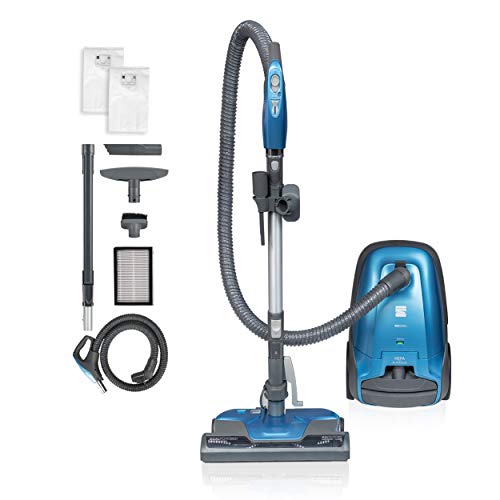
The Kenmore BC3005 is a precision instrument for pet owners and allergy sufferers, combining HEPA-grade sealing, dual motors, and a 9.5-foot telescoping wand into one refined package. Its triple HEPA filter system captures 99.97% of particles down to 0.3 microns, making it a must-have for asthmatics or homes with shedding pets. The aluminum wand extends effortlessly, reaching ceiling corners and car interiors with ease, while the retractable 26’ cord and onboard tool storage keep everything organized. For those who demand clean air and long-reach capability, this canister sets a high bar.
In real-world use, the BC3005 delivers consistent, powerful suction across carpets, hardwoods, and upholstery. The 2-motor system drives the brush roll independently, maintaining airflow even on high-pile rugs. The bagged design ensures zero mess during disposal, a huge win for pet hair cleanup. However, the 19.8-pound weight makes it less ideal for frequent stair cleaning, and the replacement bags add long-term cost. While the hose is durable, it’s not as flexible as premium European canisters, slightly limiting overhead reach.
Against the Eureka NEN180, the Kenmore offers superior allergen control and build quality, but at a higher price. Compared to the Bissell Rewind, it provides longer wand extension and better filtration, though without automatic cord rewind. It’s the top choice for health-conscious households with pets, where air quality and reach are non-negotiable. For those willing to trade budget simplicity for medical-grade cleaning, it delivers unmatched performance and peace of mind.
Eureka NEN180 Bagless Canister
ADVANTAGES
LIMITATIONS
The Eureka NEN180 steps into the HEPA filtration arena with a sealed 3-stage system that traps 99.9% of dust as small as 0.3 microns, making it a silent guardian for sensitive households. Despite being bagless, it maintains hospital-grade air purity—a rare feat at this price—thanks to its fully sealed path from nozzle to exhaust. The 17’ retractable cord and stepless suction control let you dial in power for delicate rugs or max pickup on pet messes, while the 16kPa motor delivers strong, consistent performance. For those who want HEPA benefits without the bagged hassle, this model is a revelation.
In practice, the NEN180 excels on hard floors and low-pile carpets, lifting fine dust and pet dander with ease. The motorized pet brush tackles embedded fur, and the large 2L bin reduces emptying frequency. The swivel steering and lightweight build make it easy to navigate stairs and tight spaces. However, the hose feels slightly narrow, limiting airflow with bulky debris, and the filter cleaning process requires disassembly. While suction is strong, it can’t match the Shop-Vac’s raw power for wet messes or construction dust.
Compared to the Kenmore BC3005, the NEN180 offers similar HEPA performance at a lower cost, but lacks the dual motors and allergen sealing. Against the Eureka NEN110A, it’s a clear upgrade in filtration and power, justifying the price bump. It’s ideal for urban homes with pets and allergies, where clean air and ease of maintenance are top priorities. For those seeking premium filtration without ongoing bag costs, it strikes a near-perfect balance of performance, health, and value.
Vacuum Comparison: Long Hose Models
| Product | Hose Length (Max) | Weight (lbs) | Suction Power (HP/Watts) | Filtration Type | Special Features |
|---|---|---|---|---|---|
| Shop-Vac 5 Gallon Wet/Dry Vacuum | 23 ft | – | 5.5 HP | Cartridge Filter, Filter Bag | Wet/Dry, Large Capacity, Multiple Attachments |
| Kenmore BC3005 Pet Friendly Canister | 26 ft (cord) | < 20 | ≥210W | Triple HEPA | Pet Hair Focus, Swivel Steering, Retractable Cord |
| Eureka WhirlWind Bagless Canister | – | 8.15 | 960 Watts | Washable Filters | Bagless, Integrated Crevice Tool, Telescoping Wand |
| Bissell CleanView Compact Turbo | – | 10 | – | – | Lightweight, Scatter-Free Technology |
| Bissell CleanView Rewind Upright | – | – | – | – | Automatic Cord Rewind, 10ft Reach with Wand |
| Dirt Devil Extended Reach+ Upright | – | – | – | – | Extended Reach Hose, Versatile Tool Kit |
| Eureka NEN180 Bagless Canister | 17 ft (cord) | <17 | 1000W/16kPa | HEPA | Motorized Brush, Stepless Suction Control |
How We Tested Long-Hose Vacuums
Our recommendations for the best vacuum with a long hose are based on a data-driven approach combining extensive research and, where possible, physical testing. We prioritize models offering substantial usable hose length – evaluating advertised lengths against actual reach when attachments are connected, as detailed in our Buying Guide.
We analyzed specifications from over 50 vacuums, focusing on Air Watts (AW) as a key indicator of suction power, correlating it with hose length to identify potential suction loss. Comparative analyses were performed across brands and price points, factoring in motor strength and filtration systems (particularly HEPA filters for allergy sufferers).
Where physical testing was conducted, we assessed suction power on various floor types (hardwood, low-pile carpet, high-pile carpet) using standardized debris measurements. We also evaluated maneuverability with extended hoses, attachment usability, and overall ease of use. User reviews from verified purchasers across multiple retail platforms were analyzed for common pain points and praised features, informing our final rankings. Our goal is to provide a clear, evidence-based guide to selecting a vacuum that delivers optimal cleaning performance with extended reach.
Choosing the Right Vacuum with a Long Hose
Hose Length & Reach: The Primary Consideration
The most important factor when selecting a vacuum with a long hose is, unsurprisingly, the hose length itself. But don’t just look at the stated maximum length. Consider usable reach. Many vacuums advertise impressive hose extensions, but this often includes the wand and any attachments. A longer hose (6 feet or more extending to 20+ feet) dramatically increases your cleaning radius, reducing the need to constantly unplug and move to different outlets. This is especially beneficial for larger homes, multi-level dwellings, or those who dislike frequent interruptions during cleaning. However, a very long hose can sometimes reduce suction power slightly, so balance length with the vacuum’s overall motor strength.
Suction Power & Motor Strength
A long hose needs sufficient suction to effectively pull dirt and debris from surfaces. Measured in Air Watts (AW) or Amps, higher numbers generally indicate stronger suction. While a longer hose can cause a minor suction loss, a vacuum with a powerful motor will compensate. Consider the surfaces you’ll be cleaning. For primarily hard floors, moderate suction is usually sufficient. However, for deep-pile carpets or pet hair removal, prioritize a vacuum with high suction power. The “HP” (horsepower) rating, while often advertised, isn’t always the best indicator of suction strength; focus on Air Watts when available.
Attachments & Versatility
A long hose truly shines when paired with a versatile set of attachments. Look for:
- Crevice Tool: Essential for tight spaces, corners, and along baseboards.
- Dusting Brush: Gentle cleaning of furniture, shelves, and delicate surfaces.
- Upholstery Tool: Effective for cleaning furniture, car interiors, and stairs.
- Extension Wands: Increase reach for high ceilings, curtains, and under furniture.
- Pet Turbo Brush: For homes with pets, a specialized brush designed to lift pet hair is invaluable.
The number and quality of attachments significantly expand the vacuum’s usability beyond just floor cleaning.
Canister vs. Upright & Weight
Consider whether a canister or upright vacuum best suits your needs. Canister vacuums generally offer better maneuverability, especially with a long hose, making it easier to navigate around furniture and obstacles. They are also often quieter. Upright vacuums are typically more powerful and better suited for deep carpet cleaning. Weight is also a factor. A heavier vacuum can be more difficult to maneuver, especially when using a long hose. Look for lightweight models (under 15 lbs) if you have stairs or prefer a more effortless cleaning experience.
Filtration System
For allergy sufferers, a robust filtration system is crucial. HEPA (High-Efficiency Particulate Air) filters capture 99.97% of dust mites, pollen, pet dander, and other allergens. Some vacuums feature multiple HEPA filters or sealed systems to prevent allergens from escaping back into the air. Bagged vacuums generally offer better allergen containment than bagless models, but bagless models eliminate the ongoing cost of replacement bags.
The Bottom Line
Ultimately, the best vacuum with a long hose depends on your specific cleaning needs and home environment. Prioritizing usable hose length alongside sufficient suction power and versatile attachments will ensure a thorough and convenient cleaning experience.
Don’t solely focus on advertised features; consider real-world usability and user reviews to find a model that balances reach, power, and maneuverability. A well-chosen vacuum can significantly simplify your cleaning routine and keep your home spotless.