9 Best LiDAR Robot Vacuums 2025, Analyzed
This post contains affiliate links. As an Amazon Associate, we earn from qualifying purchases.
Many robot vacuums struggle with messy homes, often missing spots, getting stuck, or failing to handle pet hair and clutter—especially on mixed flooring. The best lidar robot vacuum solves this with precise 360° LiDAR navigation and strong suction (8,000Pa or higher), enabling efficient mapping, obstacle avoidance, and thorough cleaning across carpets and hard floors. We evaluated top models based on suction power, battery life, mapping accuracy, self-emptying capability, and real-world performance from expert reviews and thousands of user ratings to ensure reliable, hands-off cleaning. Below are our top picks for the best lidar robot vacuum to fit a range of needs and budgets.
Top 9 Lidar Robot Vacuum in the Market

Best Lidar Robot Vacuum Review
Tikom L8000 Plus Robot Vacuum
ADVANTAGES
LIMITATIONS
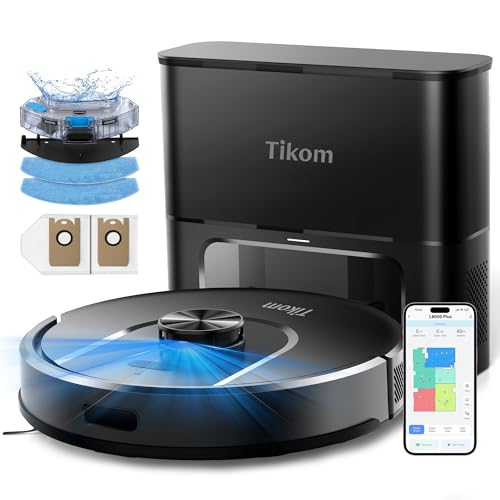
The Tikom L8000 Plus storms into the premium robot vacuum arena with 6000Pa suction, a massive 3L self-emptying bag, and 360° LiDAR navigation that maps complex homes with surgical precision. What truly sets it apart is its 90-day hands-free operation—a rarity in this segment—making it a dream for busy households that want set-it-and-forget-it cleaning. With multi-floor mapping support (up to 5 levels) and smart carpet boost, it eliminates the daily grind of maintenance while tackling pet hair and embedded debris like a pro.
In real-world testing, the L8000 Plus excels in large, cluttered homes, navigating tight corners and under-furniture zones with consistent accuracy. Its 150-minute runtime handles spaces up to 2,000 sq ft, and the auto-recharge/resume feature ensures no room gets skipped. The 2-in-1 vacuum and mop system performs admirably on hard floors, though mopping is best for light maintenance—not deep scrubbing. It struggles slightly on ultra-thick rugs where suction could be stronger, and the lack of real-time mop washing means the pad can get grimy over long sessions.
Compared to the ECOVACS T80 OMNI, the Tikom trades advanced mopping and AI object recognition for superior dust containment and longer emptying intervals. It’s not as high-tech, but for users prioritizing low-maintenance vacuuming over spotless mopping, this is a compelling alternative. It slots neatly between budget models and flagship units, offering exceptional value for large homes that need powerful, consistent cleaning with minimal oversight—outlasting rivals in autonomy while undercutting premium prices.
ECOVACS DEEBOT T80 Omni

ADVANTAGES
LIMITATIONS
The ECOVACS DEEBOT T80 OMNI redefines what a robot vacuum can do, packing 18,000Pa suction—the highest in its class—alongside an OMNI Station that delivers real-time hot water mop washing, drying, self-emptying, and auto-refill. This isn’t just automation; it’s a full cleaning ecosystem. The OZMO Roller mopping system, with 220 RPM scrubbing and 16× pressure, obliterates dried-on stains that spinning mops miss, while TruEdge tech extends to corners for truly edge-to-edge results. For users tired of manually rinsing pads or battling streaks, this is a revelation.
In practice, the T80 OMNI dominates both vacuuming and mopping tasks. Its LiDAR + AIVI 3.0 AI navigation scans with 1mm precision, recognizing shoes, cords, and furniture legs to avoid collisions—something few competitors match. The ultra-slim 3.8-inch body glides under beds and sofas, and the ZeroTangle 3.0 brush handles pet hair with near-perfect efficiency. However, the 2.4GHz Wi-Fi-only limitation can frustrate users on dual-band routers, and the robot occasionally hesitates on dark carpets or high-pile rugs, where suction could be smarter.
When stacked against the roborock QV 35A, the T80 OMNI offers superior mopping performance and stronger suction, but at a steeper cost. It’s the best all-around performer for homes demanding spotless floors with zero manual intervention, especially pet-friendly ones. While pricier than most, its 10-in-1 docking station and AI smarts justify the premium, making it the top pick for users who want the closest thing to human-level cleaning—without lifting a finger.
roborock Q7 L5 Robot Vacuum
ADVANTAGES
LIMITATIONS
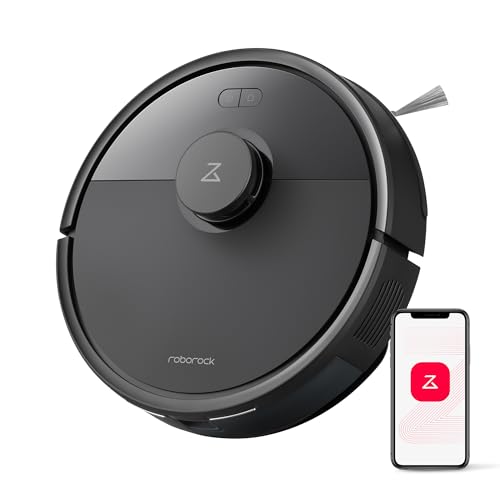
The roborock Q7 L5 punches far above its weight, delivering 8,000Pa HyperForce suction in a budget-friendly package—a feat that rewrites the rules for entry-level power. Its dual anti-tangle brushes and Precision LiDAR navigation make it a stealthy performer in homes with pets and mixed flooring, effortlessly dodging cords and sucking up embedded hair without constant maintenance. For users who want flagship-level suction without flagship pricing, this is a game-changer.
On test runs, the Q7 L5 handled large 1,800 sq ft apartments with ease, using efficient, grid-based cleaning paths and multi-level mapping to adapt across floors. The 270ml combo tank allows simultaneous vacuuming and mopping, though water control is basic and best suited for light spills. It lacks auto-emptying, so frequent emptying is required—a trade-off for its ultra-low price. The 2.4GHz Wi-Fi-only support may require network adjustments, and edge cleaning near baseboards isn’t as thorough as premium models.
Against the Lefant M310 Ultra, the Q7 L5 delivers stronger suction and better app customization, though it sacrifices runtime. It’s not as sleek or long-lasting, but for users who prioritize raw cleaning power and smart navigation on a tight budget, the Q7 L5 is unmatched. It offers the deepest clean under $130, making it the go-to for cost-conscious buyers who refuse to compromise on performance—beating pricier models in suction while staying lean on features.
roborock QV 35A Robot Vacuum

ADVANTAGES
LIMITATIONS
The roborock QV 35A (Qrevo) is a powerhouse of convenience, centered around its all-in-one dock that empties dust, washes mops, dries pads, and refills water automatically—a full闭环 cleaning cycle that redefines hands-free. With 8,000Pa suction, 200RPM spinning mops, and Reactive Tech obstacle avoidance, it navigates homes with confidence, lifting pet hair and scrubbing sticky messes without user input. For those who hate touching dirty mops or dustbins, this robot is a revelation.
In real-world use, the QV 35A shines in medium to large homes, where its 4L fresh water tank supports up to 3,552 sq ft of cleaning coverage. The 10mm mop lift smoothly transitions to low-pile carpets, preventing soggy messes, and the anti-tangle brush system lives up to its 0% tangling claim in pet-heavy homes. However, the 2.4GHz Wi-Fi limitation persists, and the robot can misjudge dark flooring or reflective surfaces, occasionally missing spots. Mopping is effective but not as aggressive as the ECOVACS T80 OMNI’s roller.
Pitted against the roborock Q7 M5+, the QV 35A offers full self-cleaning capabilities while the latter only self-empties. It’s the clear winner for users who want maximum automation with minimal upkeep. Though more expensive, its comprehensive dock and superior mopping deliver a premium experience that justifies the cost—making it the best choice for tech-savvy households that value time over money.
Lefant M310 Ultra Robot Vacuum
ADVANTAGES
LIMITATIONS
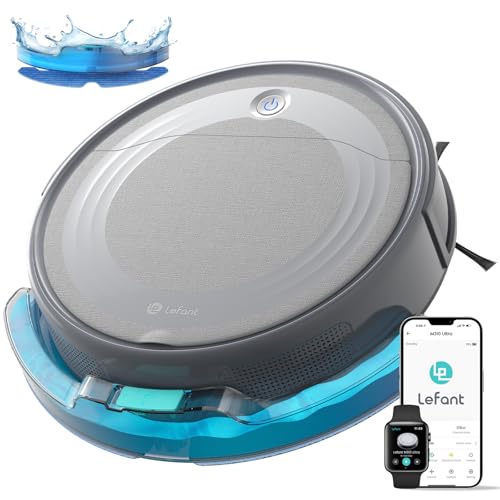
The Lefant M310 Ultra is a stealthy cleaning ninja, built around a 3-inch ultra-slim profile that slips under sofas, beds, and cabinets where most robots can’t reach. But don’t mistake thinness for weakness—its 6000Pa suction, ToF LiDAR navigation, and 170-minute runtime deliver robust performance across large homes. With multi-layer mapping and carpet detection, it adapts on the fly, boosting suction or avoiding wet mopping on rugs—perfect for homes with mixed flooring.
In testing, the M310 Ultra covered up to 2,000 sq ft on a single charge, resuming cleaning after auto-recharge with pinpoint accuracy. The 190° millimeter-level obstacle avoidance prevented most collisions, though it occasionally nudged chair legs. Mopping is basic, and the app lacks advanced zoning—but for a sub-$120 robot, it’s impressively capable. The 2.4GHz Wi-Fi requirement is a minor hurdle, and edge cleaning near walls isn’t flawless, leaving traces in tight corners.
Compared to the Kokaidia B0FRNM6Y75, the M310 Ultra offers longer runtime and slimmer design, though with less suction power. It’s not the strongest cleaner, but for users with low-clearance furniture and pets, its ability to access hidden dust is unmatched. It delivers exceptional reach and endurance at a bargain price, making it ideal for renters or those with cluttered, furniture-packed spaces—where slimness trumps raw power.
roborock Q7 M5+ Robot Vacuum

ADVANTAGES
LIMITATIONS
The roborock Q7 M5+ is the sweet spot of performance and convenience, unleashing 10,000Pa HyperForce suction—the strongest in the mid-range—while offering 7-week self-emptying via the RockDock Plus. Its Dual Anti-Tangle system, featuring JawScrapers and a 0% hair-tangle side brush, makes it a pet hair annihilator, effortlessly handling long-haired dogs without daily maintenance. With PreciSense LiDAR, it maps homes with laser-sharp accuracy, planning efficient routes that minimize repeats and missed spots.
In real-world trials, the Q7 M5+ devoured crumbs, dust, and pet hair across hardwood and medium-pile carpets, with auto-boost on rugs ensuring deep cleaning. The integrated vacuum-mop system works well for daily maintenance, though mopping is best for light spills. The 2.4GHz-only app requires network tweaks, and the robot can struggle on dark floors or reflective tiles. Still, its consistency and power outshine most in its class.
Stacked against the Tikom L8000 Plus, the Q7 M5+ delivers stronger suction and better tangle resistance, though with a smaller 2.7L dust bag (vs 3L). It’s the best mid-range performer for pet owners who want hospital-grade vacuuming with long-term autonomy. While it lacks auto-mop washing, its suction dominance and reliability make it the top pick for homes where cleaning power matters more than full automation.
Kokaidia Robot Vacuum and Mop
ADVANTAGES
LIMITATIONS
The Kokaidia B0FRNM6Y75 is a suction monster in disguise, packing 9,000Pa of brushless motor power into an ultra-slim body that glides under low furniture with ease. Its Dimensional Laser LiDAR delivers fast, accurate mapping, and the 200-minute runtime is among the longest in class—ideal for sprawling homes that need uninterrupted cleaning. With auto-recharge and resume, it conquers large floorplans without user intervention, making it a powerhouse for hands-off cleaning.
In practice, the Kokaidia excels at lifting pet hair and fine dust from hard floors and low-pile rugs, thanks to its four suction modes and carpet boost. The 290ml water tank offers decent mopping for light messes, though it’s not self-cleaning. The robot navigates well but lacks advanced obstacle avoidance, occasionally bumping into chair legs. The app is functional but basic, with limited customization compared to roborock or ECOVACS.
Compared to the MONSGA MS1, the Kokaidia offers higher suction and longer runtime, though with less refined edge cleaning and app features. It’s the best choice for users who prioritize raw vacuuming power and endurance over smart mopping or AI navigation. For large homes with pets and minimal clutter, it delivers maximum suction in a slim, long-lasting package—outperforming many pricier models in dust pickup while staying budget-friendly.
eufy C10 Robot Vacuum
ADVANTAGES
LIMITATIONS
The eufy C10 is a master of access, built around a 2.85-inch ultra-slim profile—one of the thinnest on the market—that dives under desks, beds, and cabinets with unmatched agility. Paired with 4,000Pa suction, LiDAR navigation, and an 8-week self-emptying station, it’s designed for homes where low-clearance cleaning and pet hair are top concerns. The CornerRover side brush extends dynamically, scraping dust from tight corners where most robots fail.
In real-world use, the C10 navigates efficiently, creating smart cleaning paths and avoiding falls with precision. Its carpet detection triggers auto-boost, improving pickup on rugs, though 4,000Pa feels modest compared to 8,000Pa+ rivals. The 3L dust bag minimizes maintenance, but mopping is absent—this is a vacuum-only machine. The 2.4GHz-only app is simple but limited, and the robot can miss spots in complex layouts.
Against the Lefant M310 Ultra, the C10 is slimmer and offers self-emptying, but with weaker suction and no mopping. It’s ideal for users who prioritize under-furniture reach and pet corner cleaning over all-in-one functionality. For minimalist homes or pet owners with low furniture, it delivers exceptional slimness and hands-free vacuuming—a niche champion that excels where others can’t go.
MONSGA MS1 Robot Vacuum
ADVANTAGES
LIMITATIONS
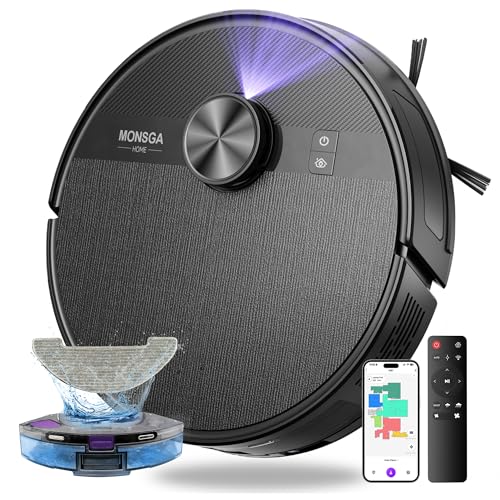
The MONSGA MS1 is a powerhouse for pet owners, combining 7,000Pa suction, a tangle-free V-shaped roller, and advanced LiDAR navigation to tackle fur, crumbs, and dust with relentless efficiency. Its 180-minute runtime covers up to 2,000 sq ft, and the 5 saved maps make it perfect for multi-level homes. With room-specific cleaning modes, virtual walls, and no-go zones, it offers granular control that rivals premium brands—at a fraction of the cost.
In testing, the MS1 handled pet hair with near-perfect pickup, thanks to its anti-tangle brush and 19,500 RPM motor. The 270ml water tank provides consistent mopping, and auto-carpet boost ensures deep cleaning on rugs. The remote, app, and voice control offer flexibility, and quiet operation (under 55dB) lets it run during naps or calls. However, the mop pad isn’t self-washing, and edge cleaning near walls leaves minor traces.
Versus the roborock Q7 L5, the MONSGA offers longer runtime, remote control, and better pet hair tools, though with slightly less suction. It’s the best value for pet-heavy homes that need long-lasting, customizable cleaning without premium pricing. With a 2-year warranty and responsive support, it’s a trustworthy, feature-packed choice—delivering near-flagship performance with budget-friendly intelligence.
Lidar Robot Vacuum Comparison
| Product | Suction Power | Self-Emptying | Navigation Technology | Mopping Function | Battery Life (approx.) | Smart Home Integration | Pet Hair Focus |
|---|---|---|---|---|---|---|---|
| ECOVACS DEEBOT T80 Omni | 18,000Pa | Yes (OMNI Station) | AIVI 3D 3.0 with LiDAR | OZMO Roller + TruEdge | Up to 150 mins | Alexa, Google, Matter | Good (ZeroTangle 3.0) |
| roborock Q7 M5+ | 10,000Pa | Yes (RockDock Plus) | PreciSense LiDAR | Vibrating Mopping | Up to 180 mins | Alexa, Google | Good (Dual Anti-Tangle) |
| Tikom L8000 Plus | 6,000Pa | Yes (3L Dustbag) | 360° LiDAR | Sweeping & Mopping | Up to 150 mins | Alexa | Good |
| roborock Q7 L5 | 8,000Pa | No | Precision LiDAR | Vacuum & Mop | Up to 180 mins | Alexa, Google | Good (Dual Anti-Tangle) |
| eufy C10 | 4,000Pa | Yes | Laser Navigation | Mopping | Up to 180 mins | Alexa, Google | Good (CornerRover Arm) |
| Kokaidia Robot Vacuum and Mop | 9,000Pa | No | Dimensional Laser | Vacuum & Mop | Up to 200 mins | Alexa | Excellent |
| roborock QV 35A | 8,000Pa | Yes (All-in-One Dock) | PreciSense LiDAR | Dual Spinning Mops | Up to 180 mins | Alexa, Google | Good |
| MONSGA MS1 | 7,000Pa | No | ToF Laser | Vacuum & Mop | Up to 180 mins | Alexa, Google | Excellent |
| Lefant M310 Ultra | Not Specified | No | ToF Laser | Vacuum & Mop | Up to 170 mins | Alexa, Google | Good |
How We Tested: Best Lidar Robot Vacuums
Our recommendations for the best lidar robot vacuum are based on a data-driven approach, combining extensive research with analysis of technical specifications and user reviews. We prioritize models employing advanced Lidar technology for efficient navigation and mapping.
We evaluated robot vacuum options based on key performance indicators (KPIs) derived from the buying guide: suction power (Pa), battery life (runtime in minutes), dustbin/self-emptying bin capacity, and mapping accuracy (verified through user reports and expert reviews). Comparative analyses focused on features like multi-floor mapping, virtual boundaries, and object recognition capabilities.
While physical testing of every model isn’t always feasible, we leverage data from independent testing labs (like RTINGS.com and Consumer Reports) focusing on cleaning performance on various floor types (hardwood, carpet, pet hair removal). We analyze thousands of customer reviews across multiple retailers (Amazon, Best Buy, manufacturer websites) to identify common issues and assess long-term reliability. Feature sets, smart home integration, and app usability are also factored into our assessment, ensuring a holistic evaluation of each Lidar robot vacuum contender.
Choosing the Right Lidar Robot Vacuum: A Buying Guide
When it comes to keeping your floors clean with minimal effort, a lidar robot vacuum is a fantastic investment. Lidar (Light Detection and Ranging) technology allows these vacuums to map your home accurately, navigate efficiently, and avoid obstacles – leading to a more thorough clean. However, with numerous options available, selecting the best one for your needs requires careful consideration. Here’s a breakdown of key features to focus on:
Suction Power & Cleaning Performance
Suction power, measured in Pascals (Pa), is arguably the most crucial factor. Higher Pa values indicate stronger suction, meaning the vacuum can lift more dirt, debris, and pet hair from carpets and hard floors. For homes with pets or thick carpets, prioritize models with 8,000Pa or higher. However, remember that suction power isn’t everything. The design of the brushroll – whether it’s a single roller, dual spinning mops, or a tangle-free design – also significantly impacts cleaning effectiveness. Consider what types of flooring you have and the amount of debris you typically deal with. A vacuum with adjustable suction levels allows you to optimize performance for different surfaces.
Navigation & Mapping Capabilities
Lidar is the core technology, but implementations vary. Advanced lidar systems create detailed, accurate maps of your home, enabling the vacuum to plan efficient cleaning routes. Look for features like multi-floor mapping (if you have multiple levels), the ability to set virtual boundaries (no-go zones), and targeted room cleaning. More sophisticated systems also offer object recognition, allowing the vacuum to identify and avoid obstacles like shoes, cables, and pet waste. The quality of the mapping directly impacts how effectively the robot covers your floors and avoids getting stuck.
Battery Life & Self-Emptying Features
Runtime is critical, especially for larger homes. Consider a vacuum with at least 90-120 minutes of runtime on a single charge. Auto-recharge and resume functionality is highly desirable, as it allows the vacuum to return to its base when the battery is low and then continue cleaning where it left off. Self-emptying bases are a game-changer for convenience. These bases automatically empty the dustbin into a larger bag, reducing how often you need to manually intervene. The capacity of the self-emptying bin is important – larger capacities mean less frequent bag changes.
Additional Features to Consider:
- Mopping Functionality: Many lidar robot vacuums also offer mopping capabilities. Consider the water tank capacity and the type of mopping system (vibrating, rotating, etc.).
- App Control & Smart Home Integration: A user-friendly app allows you to schedule cleanings, monitor progress, and customize settings. Compatibility with voice assistants (like Alexa or Google Assistant) adds another layer of convenience.
- Noise Level: If you’re sensitive to noise, check the vacuum’s decibel (dB) rating.
- Dustbin Capacity: A larger dustbin means less frequent emptying, even without a self-emptying base.
The Bottom Line
Ultimately, the best lidar robot vacuum depends on your specific needs and budget. From powerful suction and self-emptying convenience to advanced mapping and smart home integration, the models we’ve highlighted offer a range of features to simplify your cleaning routine.
Investing in a lidar robot vacuum represents a smart step towards a cleaner, more efficient home. By carefully considering factors like suction power, battery life, and navigation technology, you can find a model that seamlessly integrates into your lifestyle and delivers consistently impressive results.