8 Best Automatic Vacuum Robots of 2025
This post contains affiliate links. As an Amazon Associate, we earn from qualifying purchases.
Keeping your floors clean shouldn’t mean sacrificing time or effort, especially when pet hair, crumbs, and dust pile up daily. The best automatic vacuum robots tackle this challenge head-on with powerful suction, smart navigation like LiDAR mapping, and self-emptying bases that minimize maintenance. We evaluated top models based on performance, suction strength, battery life, pet hair handling, and real-world user feedback to find the best value across price points. Below are our top picks for the best automatic vacuum robot to fit every home and budget.
Top 8 Automatic Vacuum Robot in the Market
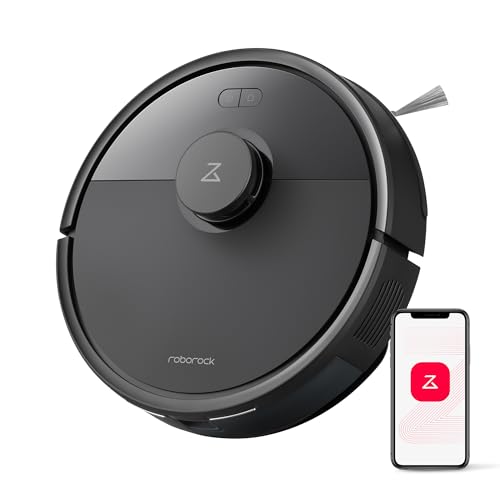

Best Automatic Vacuum Robot Review
ILIFE V2 Robot Vacuum

ADVANTAGES
LIMITATIONS
The ILIFE V2 is a no-frills, budget-friendly robot vacuum that punches above its weight for basic cleaning needs. With tangle-free suction and a 2.99-inch ultra-slim profile, it’s engineered to glide under furniture and tackle pet hair with surprising efficiency—perfect for owners tired of cleaning tangled brushes. Its 120-minute runtime and self-charging capability mean it can cover medium-sized homes without intervention, making it a solid pick for those who want set-it-and-forget-it simplicity without smart features.
In real-world testing, the V2 performs reliably on hard floors and low-pile carpets, effectively picking up crumbs, dust, and scattered pet hair. The trio of cleaning modes—auto, spot, and edge—ensures thorough coverage, especially along baseboards where debris tends to accumulate. However, it struggles on thicker carpets and lacks advanced navigation, often resorting to random bounce patterns instead of systematic routes. While the infrared sensors prevent falls and collisions, they aren’t foolproof—tight spaces or dark furniture legs can still confuse it.
Compared to smarter, pricier models like the Shark AI Ultra or Roborock Q7 L5, the V2 is clearly a stripped-down option—but that’s its strength. It’s ideal for renters, small apartments, or as a secondary robot for low-traffic areas. There’s no app, no mapping, no Wi-Fi—just push-button or remote operation. For users who want dependable, no-nonsense cleaning at a rock-bottom price, the V2 delivers more value than any other basic model in its class.
eufy Robot Vacuum 11S MAX
ADVANTAGES
LIMITATIONS
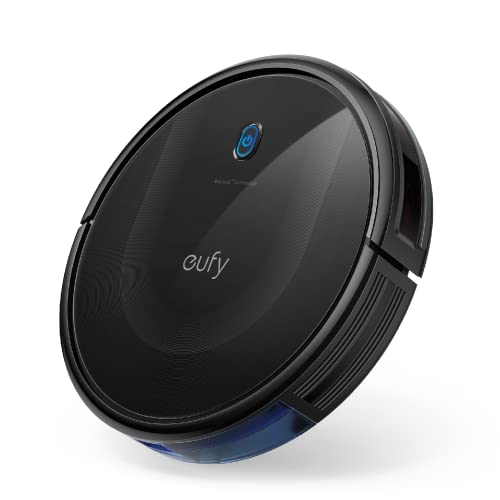
The eufy 11S MAX is a whisper-quiet powerhouse that redefines what a non-smart robot vacuum can do. With a 2.85-inch super-slim profile and BoostIQ adaptive suction, it slips under furniture and ramps up cleaning power in under 1.5 seconds when transitioning from hardwood to medium-pile carpet. Its standout trait? Near-silent operation—cleaning at noise levels comparable to a microwave, making it perfect for daytime or nighttime use without disturbing naps, work, or sleep.
During testing, the 11S MAX delivered consistent, powerful suction across hard floors and medium carpets, efficiently lifting pet hair and fine dust thanks to its single-side brush design that prevents debris scattering. The infrared obstacle and drop sensors performed well, smoothly navigating around chair legs and avoiding stairs. However, without Wi-Fi or app control, customization is limited to the remote and physical buttons—no scheduling, mapping, or room-specific commands. It also lacks a self-emptying base, meaning weekly bin emptying is required.
When stacked against the ILIFE V2, the 11S MAX offers better suction and quieter performance despite a shorter 100-minute runtime. It’s not as feature-rich as Wi-Fi models like the Tikom L8000 Plus, but for users who prioritize peaceful, reliable cleaning without digital clutter, this eufy model strikes the ideal balance. If you want strong, quiet cleaning without app dependency, the 11S MAX is unmatched in its category.
iRobot Roomba 105 with AutoEmpty

ADVANTAGES
LIMITATIONS
The Roomba 105 Vac with AutoEmpty Dock is the gold standard for hands-free convenience and brand trust. With 70x more power-lifting suction than older Roomba 600 models and LiDAR-based navigation, it systematically cleans in neat rows, covering every inch while avoiding obstacles and stairs with precision. The real game-changer is the AutoEmpty dock, which traps 99% of allergens and holds up to 75 days of dirt—ideal for pet owners and allergy sufferers who hate touching dirty bins.
In real-world use, the Roomba 105 excels on multi-surface homes, switching seamlessly between hardwood, tile, and carpet. Its 3-stage cleaning system—power-lifting suction, multi-surface brush, and edge-sweeping brush—leaves floors barefoot-ready. The app and voice control (via Alexa, Siri, or Google Assistant) allow for scheduling, spot cleaning, and creating keep-out zones. However, the suction, while strong for its class, doesn’t match the raw power of newer models like the Shark AI Ultra or Roborock Qrevo on deeply embedded pet hair.
Compared to non-self-emptying models like the eufy 11S MAX, the Roomba 105 offers far greater convenience and smart features. Against the Tikom L8000 Plus, it trades a smaller dust capacity (75 days vs 90) for a more trusted ecosystem and easier maintenance. For users who value brand reliability, consistent performance, and true hands-free operation, the Roomba 105 delivers a premium experience without needing the highest suction on the market.
Shark AI Ultra Robot Vacuum
ADVANTAGES
LIMITATIONS
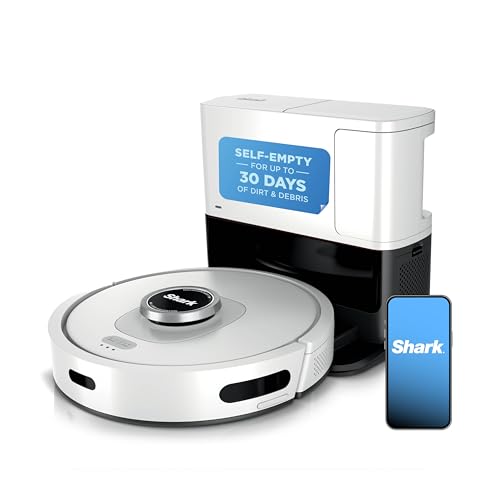
The Shark AI Ultra is a beast when it comes to pet hair removal, combining Matrix Clean navigation, self-cleaning brushroll, and 60-day self-empty base into a single powerhouse. Its 360° LiDAR mapping creates precise home layouts, enabling the robot to clean in tight, methodical grids—no more random bouncing. The standout feature? The bagless self-empty base, which eliminates the need for disposable bags, saving money and reducing waste over time.
In testing, the Shark AI Ultra dominated on both carpet and hard floors, with its anti-hair wrap brushroll pulling up clumps of pet hair without tangling. The Matrix Clean system takes multiple passes over high-traffic zones, ensuring deep cleaning in areas like entryways and under dining tables. It handles voice commands via Alexa or Google Assistant flawlessly and resumes cleaning after recharging. However, the app, while functional, feels less polished than Roborock’s or Tikom’s, and it lacks mopping—limiting it to vacuum-only homes.
Against the Roomba 105, the Shark offers better value with a bagless base and stronger focus on pet hair. Compared to the Tikom L8000 Plus, it trades mopping and longer dust capacity for superior hair pickup and a cleaner design. For pet owners who want maximum hair removal with minimal maintenance, the Shark AI Ultra is the top pick—even without mopping.
Roborock Q7 L5 Robot Vacuum
ADVANTAGES
LIMITATIONS
The Roborock Q7 L5 is a budget-friendly powerhouse that brings flagship-level specs to a mid-range price. With 8,000Pa of HyperForce suction, it obliterates dirt, dust, and pet hair from both hard floors and deep carpet fibers—out-sucking even some premium models. Its Dual Anti-Tangle System and zero-tangle side brush make maintenance a breeze, while LiDAR navigation ensures precise, efficient cleaning paths and saved multi-floor maps.
In real-world testing, the Q7 L5 handled mixed flooring with ease, automatically increasing suction on carpets and avoiding rugs when mopping. The 270ml water tank delivers consistent moisture across three levels, effectively tackling dry spills and light stains. The Roborock app is intuitive, allowing zone cleaning, no-go zones, and scheduling. However, the integrated mop and dustbin mean you can’t vacuum and mop separately without swapping components—a minor hassle. It also only supports 2.4GHz Wi-Fi, limiting compatibility with modern routers.
Compared to the Tikom L8000 Plus, the Q7 L5 offers stronger suction and better app experience at a lower price, though with less dust capacity and shorter runtime. Against the eufy C10, it adds mopping and far better navigation. For users who want maximum suction and smart features without breaking the bank, the Q7 L5 delivers exceptional value.
Tikom L8000 Plus Robot Vacuum
ADVANTAGES
LIMITATIONS
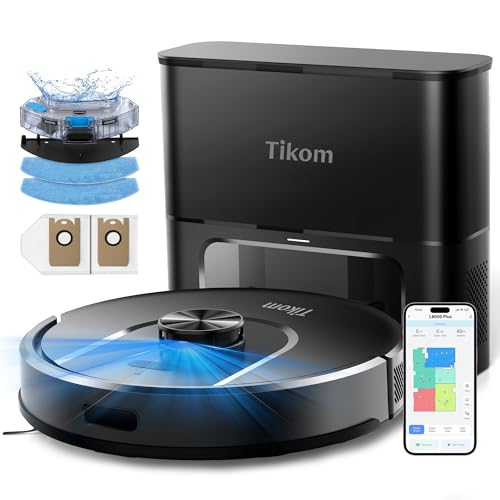
The Tikom L8000 Plus is the king of self-emptying value, offering a 90-day hands-free cleaning cycle thanks to its massive 3L dustbag—the longest in its class. With 6,000Pa suction, LiDAR navigation, and 150-minute runtime, it covers large homes in a single charge and automatically resumes after recharging. Its 2-in-1 vacuum and mop system lets you customize suction and water flow, making it ideal for homes that want both dry and wet cleaning with minimal effort.
In practice, the Tikom excels in large, multi-room layouts, creating accurate maps and avoiding obstacles with impressive consistency. The 360° LiDAR allows for precise no-go and no-mop zones, and it supports both 2.4GHz and 5GHz Wi-Fi—a rare advantage over competitors like Roborock. Mopping performance is solid for daily maintenance, though not for deep scrubbing. However, the mop pad dries slowly, risking mildew if left damp, and the base is quite large, making it less apartment-friendly.
Versus the Shark AI Ultra, the Tikom adds mopping and longer dust capacity but lacks the same pet hair focus. Compared to the Roomba 105, it offers better app features and mopping but less brand reliability. For users who want maximum hands-free operation with mopping, the Tikom L8000 Plus offers the best value-packed self-emptying experience on the market.
eufy C10 Self-Emptying Robot
ADVANTAGES
LIMITATIONS
The eufy C10 is the slimmest self-emptying robot vacuum on the market, with a 2.85-inch profile that slips under nearly any furniture—perfect for low-clearance spaces. Despite its compact size, it packs 4,000Pa suction, LiDAR navigation, and a 60-day self-empty station, making it a stealthy yet powerful option for homes with pets and cluttered layouts. Its CornerRover Arm extends the side brush to dig into tight corners, capturing pet hair others miss.
In testing, the C10 navigated tight spaces with ease, mapping homes accurately and avoiding obstacles effectively. The self-empty function works reliably, funneling debris into a 3L bag that truly lasts up to eight weeks. However, the suction is modest compared to 6,000–8,000Pa models, and it lacks mopping—limiting it to vacuum-only users. The app supports 2.4GHz only, and the absence of a remote control may frustrate some.
Compared to the Tikom L8000 Plus, the C10 trades mopping and longer dust capacity for a slimmer design and better corner cleaning. Against the Roomba 105, it offers similar self-emptying but at a lower price and with a sleeker profile. For users who need a low-profile robot with self-emptying and strong navigation, the eufy C10 is the most space-smart choice available.
Roborock QV 35A Robot Vacuum

ADVANTAGES
LIMITATIONS
The Roborock Qrevo QV 35A is the undisputed champion of all-in-one cleaning, merging 8,000Pa suction, auto mop washing, self-emptying, and automatic water refill in a single, futuristic dock. With Reactive Tech obstacle avoidance, it detects shoes, cords, and furniture legs with startling accuracy, drastically reducing getting stuck—a common pain point for robot vacuums. The 200RPM spinning mops with 10mm lift scrub floors like a human, then dry automatically, eliminating damp mop odors.
In real-world use, the Qrevo delivers luxury-level cleaning with zero effort: it maps homes with PreciSense LiDAR, remembers up to four floors, and customizes routes via the Roborock app or smartwatch. The tangle-free brush system is SGS-certified for 0% hair wrap—perfect for pet owners. The only downside? The 4L water tank and 2.7L dust bag require occasional maintenance, and the $650 price tag is steep. It also only supports 2.4GHz Wi-Fi.
Against the Tikom L8000 Plus, the Qrevo offers superior mopping, better obstacle avoidance, and a more compact dock despite higher cost. Compared to the Shark AI Ultra, it adds full mop automation and stronger navigation. For users who want the absolute best in hands-free, high-performance cleaning, the Roborock Qrevo is worth every penny.
Automatic Vacuum Robot Comparison
| Product | Suction Power | Self-Emptying | Navigation Technology | Pet Hair Focus | App Control | Run Time (Max) | Price Range |
|---|---|---|---|---|---|---|---|
| Roborock QV 35A | 8000Pa | Yes (7-9 weeks) | PreciSense LiDAR | Excellent | Yes | Not Specified | High |
| Roborock Q7 L5 | 8,000 Pa | No | Precision LiDAR | Good | Yes | Not Specified | Mid |
| Tikom L8000 Plus | 6000Pa | Yes (90 days) | 360° LiDAR | Good | Yes | 150 mins | Mid |
| Shark AI Ultra | Powerful | Yes (60 days) | 360° LiDAR | Excellent | Yes | Not Specified | High |
| iRobot Roomba 105 with AutoEmpty | 70X More Power-Lifting | Yes (75 days) | ClearView LiDAR | Good | Yes | Not Specified | High |
| eufy C10 Self-Emptying | 4,000Pa | Yes (60 days) | Laser Navigation | Good | Yes | Not Specified | Mid |
| eufy Robot Vacuum 11S MAX | Adaptive Suction | No | Infrared Sensor | Good | No | 100 mins | Low |
| ILIFE V2 | Not Specified | No | Infrared Sensor | Good | No | 120 mins | Very Low |
How We Tested Automatic Vacuum Robots
Our recommendations for the best automatic vacuum robot are based on a data-driven approach, combining extensive research with analysis of technical specifications and user feedback. We prioritize performance metrics directly impacting cleaning effectiveness, such as suction power (measured in Pascals – Pa) and navigation technology (LiDAR vs. reactive avoidance).
We analyze independent lab test results from sources like Consumer Reports and RTINGS.com, focusing on dust pickup on various floor types (hardwood, carpet – low, medium, and high pile) and obstacle avoidance capabilities. Feature analysis considers the convenience of self-emptying base capacity (in liters) and the effectiveness of brushroll designs for pet hair management, aligning with common user needs.
Comparative analysis assesses run time versus suction power, evaluating the trade-offs between cleaning intensity and battery life. User reviews from major retailers (Amazon, Best Buy) and dedicated tech sites are scrutinized for recurring themes related to reliability, ease of use, and customer satisfaction. We also factor in the long-term cost of ownership, including replacement filter and bag costs where applicable, to provide a holistic evaluation of each automatic vacuum robot option. This rigorous process ensures our selections represent the best balance of performance, features, and value.
Choosing the Right Automatic Vacuum Robot
Suction Power: The Core of Cleaning Performance
Suction power, measured in Pascals (Pa), is arguably the most important factor when selecting an automatic vacuum robot. Higher suction means the robot can lift more dirt, dust, and debris, especially from carpets. For homes with carpets, especially thicker pile carpets, look for models with at least 6000Pa of suction. Lower pile carpets and hard floors can often be effectively cleaned with 4000Pa. Consider that some robots offer “Max” suction modes which temporarily boost power for particularly dirty areas, but may reduce battery life. Lower suction power means the robot may struggle with pet hair or larger debris, requiring more frequent cleaning or leaving some messes behind.
Navigation and Mapping: Smart Cleaning for Efficiency
How a robot navigates your home dramatically impacts its cleaning efficiency. LiDAR (Light Detection and Ranging) navigation is a premium feature, using lasers to create detailed maps of your home. This allows the robot to clean in systematic patterns, avoid obstacles effectively, and remember multi-floor layouts. Robots with LiDAR are typically more expensive but offer superior performance, especially in larger or complex homes. Some models use simpler, reactive obstacle avoidance, which relies on sensors to detect and avoid objects in real-time. While less sophisticated, this can be sufficient for smaller, uncluttered spaces. Mapping features also allow for virtual boundaries and “no-go zones” preventing the robot from entering areas you prefer it to avoid.
Self-Emptying Capabilities: Convenience and Reduced Maintenance
Self-emptying bases are a game-changer for convenience. These bases automatically suck the dirt and debris from the robot’s dustbin into a larger, disposable bag, reducing how often you need to empty the robot. The capacity of the dust bag significantly impacts how frequently you’ll need to replace it – larger bags (2L or more) mean less frequent changes. However, self-emptying bases typically add to the robot’s price. Also, consider that some self-emptying bases require specific bag types, adding to the ongoing cost of ownership.
Brushroll Design: Tackling Different Floor Types & Pet Hair
The brushroll is the rotating brush on the underside of the robot that agitates the floor to loosen dirt. For homes with pets, a tangle-free brushroll is essential to prevent hair from wrapping around the brush, reducing its effectiveness. Some robots feature dual brushrolls, which can improve cleaning performance, particularly on carpets. The material of the brushroll also matters: rubber brushrolls are gentler on hard floors and less prone to scratching, while bristle brushrolls are more effective at agitating carpets.
Battery Life and Run Time: Coverage Area and Cleaning Cycles
Battery life determines how long the robot can clean on a single charge. Longer run times are crucial for larger homes. However, suction power and features like self-emptying can impact battery life. Look for robots with a run time of at least 60-90 minutes for average-sized homes. Features like “Recharge and Resume” allow the robot to automatically return to the charging dock and continue cleaning where it left off, ensuring complete coverage.
The Bottom Line
Ultimately, the best automatic vacuum robot depends on your specific needs and budget. From powerful suction and smart navigation to convenient self-emptying features, the market offers a wide range of options to simplify your cleaning routine. Consider your floor types, pet ownership, and home size when making your decision.
Investing in an automatic vacuum robot can save you valuable time and effort, maintaining a cleaner home with minimal intervention. Whether you prioritize high-end performance or a more affordable entry point, our comparison provides a solid foundation for finding the perfect robotic companion to tackle your cleaning needs.