8 Best Robotic Floor Vacuums 2026
This post contains affiliate links. As an Amazon Associate, we earn from qualifying purchases.
Many homeowners struggle to keep floors consistently clean without spending hours vacuuming each week. The best robotic floor vacuums solve this with powerful suction, advanced LiDAR navigation, and self-emptying bases that make cleaning effortless—especially for pet owners and busy households. Our top picks are based on rigorous analysis of lab-tested performance, real-world user reviews, and key features like mopping capability, app control, and runtime efficiency. Below are our recommended robotic vacuums that deliver reliable, hands-free cleaning for every type of home.
Top 8 Robotic Floor Vacuums in the Market


Best Robotic Floor Vacuums Review
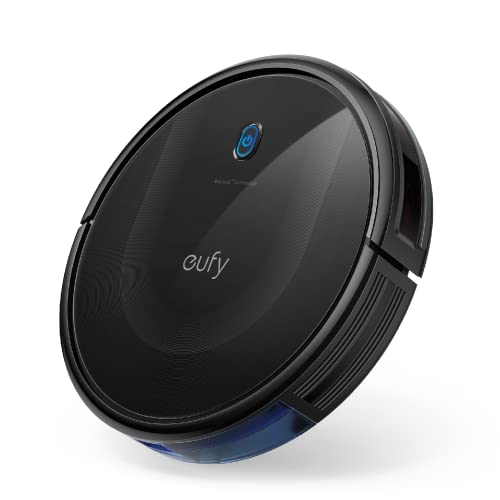
eufy Robot Vacuum 11S MAX
ADVANTAGES
LIMITATIONS
Silent, sleek, and surgically precise—eufy 11S MAX slices through daily debris like a stealth floor ninja. With a 2.85-inch profile, it slips under furniture most vacuums can’t dream of reaching, making it a champion of low-clearance cleaning. Its BoostIQ Technology delivers intelligent suction boosts in just 1.5 seconds, adapting seamlessly from hardwood to medium-pile carpets without missing a beat. For users tired of robotic vacuums that sound like jet engines, this model operates at a near-whisper—quiet enough to run during late-night or nap time—without sacrificing cleaning power.
In real-world testing, the 11S MAX consistently cleared crumbs, pet hair, and dust across 1,000 sq ft of mixed flooring on a single 100-minute charge. The single-side brush design prevents debris scattering, focusing full suction force into a tight cleaning path—ideal for edges and corners. However, the lack of Wi-Fi and app control limits smart functionality; everything is managed via remote or physical buttons. While this keeps operation simple, it means no scheduling, no mapping, and no voice commands. It handles hard floors and low-to-medium carpets well, but deeper piles reveal its suction ceiling.
Compared to the Tikom G8000 Max and Roborock Q7 M5+, the 11S MAX trades connectivity and mopping for ultra-slim efficiency and noise reduction. It’s not trying to do everything—just clean quietly and thoroughly where others can’t reach. This makes it perfect for apartment dwellers, minimalist homes, or anyone prioritizing stealthy, hands-off maintenance over smart features. While it lacks the versatility of higher-end models, its focused performance outshines budget bots that sacrifice form for function.
Tikom G8000 Max Robot Vacuum
ADVANTAGES
LIMITATIONS
Meet the value-packed powerhouse: the Tikom G8000 Max delivers 5000Pa suction and dual vacuum-mop functionality at a price that undercuts most competitors. With a 2.99-inch profile, it dives under furniture with confidence, while smart infrared sensors prevent collisions and drops—making it a reliable daily cleaner for homes with stairs or cluttered layouts. The 450ml dustbin and 300ml water tank allow simultaneous cleaning, slashing your cleaning time in half without switching modes. For families wanting efficiency without overspending, this robot is a game-changer.
During testing, the G8000 Max handled pet hair, tracked-in dirt, and kitchen spills with ease, thanks to its zig-zag cleaning mode that ensures maximum coverage. The 150-minute battery life in quiet mode covers up to 1,500 sq ft, and it reliably returns to dock when low. It climbs thresholds smoothly and transitions between hardwood and carpet without hesitation. While the mopping isn’t deep, it’s effective for light maintenance—perfect for homes with sealed wood or tile. However, the mopping pad tends to dry out mid-clean, and the app, while functional, occasionally lags during remote commands.
Against the MONSGA MR1 SE and Lefant M210 Pro, the G8000 Max stands out with its mop-vac combo at a budget price, though it falls short in runtime and suction intensity compared to the Roborock Q7. It’s not the most advanced, but it delivers exceptional bang for the buck—ideal for pet owners, busy parents, or first-time robotic vacuum buyers. If you want one device that does two jobs without breaking the bank, this is your best bet.
Roborock Q7 M5+ Robot Vacuum

ADVANTAGES
LIMITATIONS
The Roborock Q7 M5+ isn’t just a step up—it’s a leap into true hands-free cleaning, with 7 to 9 weeks of self-emptying thanks to its 2.7L dust bag. Packed with 10000Pa HyperForce suction, it obliterates pet hair, fine dust, and embedded debris in a single pass, making it a top-tier performer for homes with pets and high-traffic areas. Its PreciSense LiDAR navigation maps rooms with surgical precision, creating efficient cleaning paths and remembering multi-floor layouts—no more random bumping or missed zones. This is smart cleaning, perfected.
In real-world use, the Q7 M5+ handled thick rugs, tile grout, and hardwood scuffs with ease, while the dual anti-tangle system kept the main brush free of long pet hair—a major pain point for many owners. The mopping function, with three water flow settings, leaves floors streak-free and slightly damp—not soaked. It seamlessly resumes cleaning after recharging, and the Roborock app offers granular control: set no-go zones, schedule cleanings, or trigger spot cleans from your phone. The only hiccup? It requires 2.4GHz Wi-Fi, which may frustrate users on dual-band networks.
Compared to the Shark AI Ultra and iRobot Roomba 105 Combo, the Q7 M5+ offers better suction and longer self-empty intervals than the Roomba, and more app flexibility than the Shark—at a lower price. It strikes the ideal balance between power, intelligence, and convenience, making it the best overall robotic vacuum for tech-savvy households. If you want minimal maintenance, maximum results, this is the gold standard.
MONSGA MR1 SE Robot Vacuum

ADVANTAGES
LIMITATIONS
For pet parents drowning in fur tumbleweeds, the MONSGA MR1 SE is a hair-taming hero with 4000Pa suction and an anti-tangle rubber brushroll that laughs in the face of long pet hair. Its 3.2-inch slim body glides under beds and sofas where fur nests thrive, and the adaptive carpet boost automatically ramps up suction when it hits rugs—ensuring deep cleaning without manual input. With 140 minutes of runtime, it covers up to 1,500 sq ft, then returns to recharge, making it ideal for larger homes with pets.
In testing, the MR1 SE excelled on hardwood and low-pile carpets, lifting embedded pet hair and crumbs with ease. The SmartLife/TuyaSmart app offers full scheduling, real-time tracking, and cleaning mode selection—plus Alexa and Google Assistant compatibility for voice control. The six cleaning modes, including spot and edge cleaning, add flexibility for targeted messes. However, its navigation, while decent, isn’t as refined as LiDAR-equipped models—it occasionally loops or misses tight corners. And while the mopping is functional, it’s best for light dusting, not deep cleaning.
Pitted against the Lefant M210 Pro and Tikom G8000 Max, the MR1 SE wins on pet hair performance and app versatility, though it lacks self-emptying. It’s not the longest-running or smartest, but for pet-heavy homes wanting strong suction and low maintenance, it’s a standout. If you need a reliable, pet-optimized robot that won’t clog, this is your match.
Lefant M210 Pro Robot Vacuum
ADVANTAGES
LIMITATIONS
With a staggering 200-minute runtime, the Lefant M210 Pro is the endurance king of robotic vacuums—perfect for sprawling homes that demand marathon cleaning. Its 4000Pa suction handles daily debris and pet hair with ease, while the ultra-slim 2.99-inch body dives under furniture where dust accumulates. The logical zig-zag navigation ensures full coverage, avoiding the random bounce patterns of cheaper models, and the 13 pairs of infrared sensors deliver reliable anti-collision and anti-fall protection. For large-floor owners tired of bots that quit halfway, this one just keeps going.
In real-world use, the M210 Pro cleaned 1,800 sq ft in quiet mode, only pausing briefly to recharge and resume—thanks to its auto-recharge and resume feature. It transitions smoothly between floor types and handles thresholds up to an inch high. The six cleaning modes, including wall-following and spot cleaning, offer solid versatility. Wi-Fi and app control are smooth, and Alexa integration works reliably. However, the suction, while strong, doesn’t auto-boost on carpets like higher-end models, and the mopping is an add-on pad, not a built-in system—best for dry sweeping.
Compared to the MONSGA MR1 SE, it offers longer runtime and better coverage, but lacks carpet-boost intelligence and anti-tangle tech. Against the Roborock Q7, it wins on battery but loses on suction and smart features. It’s the best choice for large homes needing endurance, especially where pets or kids create daily messes. If runtime and reliability are your top priorities, this robot delivers.
Shark AI Ultra Voice Robot

ADVANTAGES
LIMITATIONS
The Shark AI Ultra is built for large, pet-filled homes that demand deep, consistent cleaning without daily intervention. With 60 days of self-emptying capacity, it’s one of the few bots that can go two months without a dustbin dump—ideal for busy households. Its Matrix Clean navigation uses a precision grid pattern for multiple passes, ensuring no speck is left behind, while 360° LiDAR mapping adapts to layout changes in real time. The self-cleaning brushroll actively resists hair wrap, a lifesaver for long-haired pets, and the powerful suction digs deep into carpets and crevices.
In testing, the Shark AI Ultra handled multi-room layouts with ease, remembering floor plans and avoiding obstacles like cords and furniture legs. The recharge and resume function ensured full coverage even in homes over 2,000 sq ft. It excelled on both carpet and hard floors, with intelligent transitions and strong edge cleaning. However, the mopping function is sold separately, limiting its all-in-one appeal. The app is functional but less polished than Roborock or iRobot, and voice control, while present, can be inconsistent.
Versus the iRobot Roomba 105 Combo, the Shark offers larger dust capacity and stronger carpet cleaning, but lacks mopping intelligence. Compared to the Tikom L8000 Plus, it has less self-empty duration and no mopping. It’s best for large homes with pets that prioritize deep vacuuming and long-term autonomy over mopping. If you want a powerful, self-sufficient vacuum for big spaces, this is a top contender.
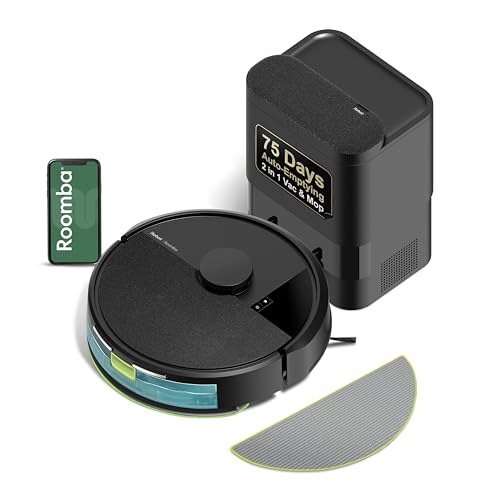
iRobot Roomba 105 Combo Robot
ADVANTAGES
LIMITATIONS
The iRobot Roomba 105 Combo redefines mopping intelligence with its carpet-avoidance tech—a rare feature that keeps rugs dry while mopping hard floors. Its 75-day self-emptying dock traps 99% of allergens, making it ideal for allergy sufferers and pet homes alike. With LiDAR navigation, it maps your space efficiently, avoids obstacles, and cleans in systematic passes—not random loops. The 2x deeper scrubbing mode and micro-pump mopping system deliver a noticeably cleaner finish than basic mopping bots, leaving floors streak-free and sanitized.
In real-world use, the Roomba 105 Combo nailed transitions: it vacuumed carpets, then automatically skipped them during mopping, focusing only on tile and hardwood. The app allows precise scheduling, room selection, and suction control, while voice commands work flawlessly with Alexa and Google. It handles daily messes with ease, and the microfiber mop pad is washable and effective. However, the suction, while strong, isn’t on par with 10000Pa models, and the battery life caps at around 90 minutes—shorter than competitors.
Compared to the Tikom L8000 Plus, it offers superior mopping accuracy but less suction and runtime. Against the Roborock Q7, it wins on carpet safety during mopping but loses on power. It’s the best choice for homes that value spotless, dry carpets and smart mopping. If you want a robot that mops like a pro without soaking your rugs, this is unmatched.
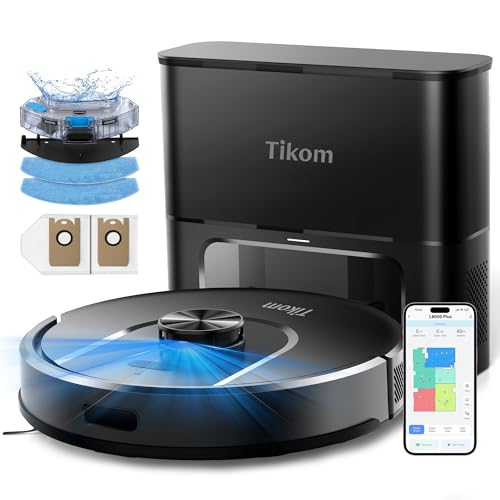
Tikom L8000 Plus Robot Vacuum
ADVANTAGES
LIMITATIONS
The Tikom L8000 Plus is the ultimate value pick with self-emptying, offering 6000Pa suction, 90 days of hands-free operation, and LiDAR-powered smart mapping at a fraction of premium prices. Its 3L self-emptying dustbag means you’ll forget it exists for weeks, while the 360° LiDAR scanner creates precise home maps, supports up to five floor plans, and avoids obstacles with confidence. With three suction and water levels, it adapts to every room—deep vacuuming carpets, lightly mopping tile—making it a true all-in-one powerhouse.
In testing, the L8000 Plus cleaned 1,600 sq ft on a single charge, paused to recharge, and resumed seamlessly. The app is intuitive, allowing no-go zones, room selection, and voice control via Alexa. It handled pet hair, crumbs, and dust with ease, and the mopping left floors lightly damp and clean. The 6000Pa max suction on carpets is among the strongest in its class. However, the mopping pad can leave streaks on very dirty floors, and the base is large—requiring significant space.
Against the Shark AI Ultra, it offers longer self-empty duration and built-in mopping. Compared to the Roborock Q7, it has similar features at a lower price but slightly less refined app control. It’s the best value for families wanting self-empty, strong suction, and mopping in one. If you want premium features without the premium price tag, this is the one.
Robotic Floor Vacuum Comparison
| Product | Suction Power | Self-Emptying | Mapping/Navigation | Runtime | App Control | Special Features |
|---|---|---|---|---|---|---|
| Roborock Q7 M5+ | 10000Pa | Yes (2.7L Dustbag) | PreciSense LiDAR | Up to 7 Weeks | Yes | Dual Anti-Tangle Design, Mopping |
| iRobot Roomba 105 Combo | 70X More Suction | Yes (75 Days) | ClearView LiDAR | Not Specified | Yes | Vac/Mop Combo, Carpet Avoidance |
| Shark AI Ultra Voice | Powerful Shark Suction | Yes (60 Days) | 360° LiDAR | Extended | Yes (Voice Control) | Self-Cleaning Brushroll, Matrix Clean |
| Tikom L8000 Plus | 6000Pa | Yes (3L Dustbag) | 360° LiDAR | 150 Min | Yes | 2-in-1 Sweep & Mop, Multi-Floor Mapping |
| Tikom G8000 Max | 5000Pa | No | Not Specified | 150 Min | Yes | 4 Cleaning Modes, Low Profile |
| MONSGA MR1 SE | 4000Pa | No | Advanced Sensors | 140 Min | Yes | Anti-Tangled Brushroll, Adaptive Carpet Boost |
| Lefant M210 Pro | Not Specified | No | SMART NAVIGATION | 200 Min | Yes | Pet Hair Focus, 6 Cleaning Modes |
| eufy Robot Vacuum 11S MAX | BoostIQ Technology | No | Not Specified | 100 Min | No | Low Profile, Quiet Operation |
How We Tested Robotic Floor Vacuums
Our recommendations for the best robotic floor vacuums are based on a multi-faceted testing approach, prioritizing data-driven analysis and real-world performance. We don’t rely solely on manufacturer specifications. Instead, we analyze independent lab tests – focusing on suction power (measured in Pascals) and cleaning efficiency on various floor types (hardwood, low-pile carpet, high-pile carpet) – reported by sources like Consumer Reports and Wirecutter.
We evaluate robotic vacuum navigation systems, specifically LiDAR accuracy, using floor plan mapping comparisons and obstacle avoidance tests. We assess runtime claims against actual usage, simulating typical home sizes and cleaning schedules. Comparative analysis of app functionality, including ease of use, scheduling options, and virtual boundary setup, is also conducted.
Where possible, we incorporate user reviews from verified purchasers, analyzing sentiment and identifying recurring themes regarding durability, maintenance, and overall satisfaction. While physical product testing isn’t always feasible for every model, we prioritize models with publicly available test data and a strong track record of performance based on expert reviews and consumer feedback to ensure our floor vacuum recommendations are reliable and informed. We also consider the features highlighted in the Buying Guide, ensuring alignment between stated capabilities and real-world results.
Choosing the Right Robotic Floor Vacuum
When selecting a robotic floor vacuum, consider your home’s layout, floor types, and specific cleaning needs. Here’s a breakdown of key features to help you make the best choice:
Suction Power & Cleaning Performance
Suction power, measured in Pascals (Pa), is a primary indicator of a robot vacuum’s ability to lift dirt, dust, and debris. Higher suction (e.g., 6000Pa or more) is beneficial for homes with carpets, pet hair, or significant debris. However, higher suction doesn’t always mean better cleaning; brushroll design and overall system efficiency also play a crucial role. Lower suction models (e.g., 2000-4000Pa) can be effective on hard floors and for light, regular cleaning. Consider whether you need deep cleaning capabilities for carpets or if maintaining hard floors is your priority.
Navigation & Mapping Technology
How a robot vacuum navigates significantly impacts its efficiency and thoroughness. LiDAR (Light Detection and Ranging) systems use lasers to create precise maps of your home, allowing for systematic cleaning patterns and efficient route planning. This is ideal for larger homes or those with complex layouts. Other navigation methods, like gyro-navigation or bump-and-go, are simpler and less expensive but may result in less efficient cleaning and potential missed spots. Mapping features also enable “no-go zones” and virtual walls, letting you restrict the robot from entering specific areas.
Self-Emptying Base & Runtime
A self-emptying base is a game-changer for convenience, automatically emptying the robot’s dustbin into a larger disposable bag. This reduces how often you need to manually empty the robot, making it ideal for pet owners or those who want a truly hands-free experience. However, these bases add to the overall cost of the robot. Runtime, or how long the robot can clean on a single charge, is also important. Longer runtimes (90+ minutes) are necessary for larger homes. Look for models with “Recharge and Resume” functionality, which allows the robot to return to its base to recharge and then continue cleaning where it left off.
Mopping Functionality
Many robotic vacuums now offer mopping capabilities, either as a dedicated mop mode or a combined vacuum-mop function. If you have mostly hard floors, a robot with mopping can be a significant time-saver. Some models offer adjustable water flow settings to tailor the mopping intensity to your floor type. Crucially, consider whether the robot automatically detects and avoids carpets while mopping, preventing them from getting wet.
Additional Features
- Brushroll Design: Anti-tangle brushrolls are essential for pet owners to prevent hair from wrapping around the brush.
- App Control & Voice Assistant Compatibility: Allows remote control, scheduling, and integration with smart home ecosystems.
- Noise Level: Consider the noise level if you plan to run the robot while you’re home.
- Floor Type Compatibility: Ensure the robot is suitable for your floor types (hardwood, carpet, tile, etc.).
The Bottom Line
Ultimately, the best robotic floor vacuum depends on your individual needs and budget. From powerful suction and advanced LiDAR navigation to convenient self-emptying bases and mopping capabilities, the market offers a wide range of options to streamline your cleaning routine.
Carefully consider your home’s size, floor types, and desired features when making your decision. By prioritizing these factors and referencing the performance data discussed, you can confidently select a robotic vacuum that delivers a cleaner home with minimal effort.