
Shark Vacuum Won’t Turn On? Here’s How To Fix It In Minutes
This post contains affiliate links. As an Amazon Associate, we earn from qualifying purchases.
A Shark vacuum that won’t turn on is almost always stopped by one of three things: a tripped motor protective thermostat requiring a 45-minute cool-down, a completely dead battery in a cordless model, or a safety interlock on powered-hose uprights where the hose isn’t fully clicked into place. Start with the power source, then move to the specific reset procedure for your model.
The 45-minute timer is the minimum time the internal bimetallic strip in the motor thermostat needs to cool and click back into the ‘on’ position. Cutting it short just resets the countdown.
What follows is the sequence that actually works, pulled from official Shark service manuals. We’ll break it down by corded versus cordless, cover the unique AZ3900UK series hose lock, and explain why your filters being damp can cause a no-power condition even after a reset.
Key Takeaways
- The most common fix for a corded Shark that shut off mid-use is a 45-minute full cool-down to reset the motor protective thermostat. Unplug it and walk away.
- For cordless models, a battery that appears dead might just be in a deep-discharge state. Leave it on the official charging dock for at least 3 hours before testing.
- The Shark AZ3900UK POWERDETECT series has a safety interlock: the vacuum will not power on unless the hose is fully seated and audibly clicked into the pod.
- Never operate the vacuum with damp filters. Moisture can trip electrical sensors and prevent startup. Filters need a full 24 hours to air-dry.
- If the brushroll indicator light is solid or flashing red, a blockage in the nozzle has already triggered a shutdown. Clear it before attempting any reset.
Check the Obvious First (But Do It Right)
Before you dive into internal components, eliminate the simple stuff. This process requires verifying the entire circuit.
First, test the outlet with a lamp or phone charger. If the outlet is on a switch, make sure the switch is flipped. For corded models, inspect the power cord along its entire length for cuts, crimps, or chew marks from pets. A damaged cord is a fire hazard and a common reason for a complete loss of power.
Where this goes sideways: Plugging the vacuum into a GFCI outlet that has tripped. The outlet itself has no power, but it doesn’t look any different. Test with another device.
For cordless Shark vacuums like the IZ202UK or IF250UK series, your “outlet” is the battery. Seat the vacuum firmly on its charging dock. The charge indicator should light up. If there’s no light on the dock or vacuum, your issue likely stems from charging problems or a failed battery. A completely drained battery can take a few minutes on the charger before any lights appear.
The 45-Minute Motor Thermostat Reset (And Why It’s Non-Negotiable)
This is the fix for most corded Sharks that were running and then suddenly died. Models like the NV358QBK, NV358QBL, and many uprights have a motor protective thermostat. It’s a safety device that cuts power if the motor overheats.
Overheating is usually caused by a blockage. A full dust cup, clogged filters, or a sock stuck in the hose restricts airflow.The motor works harder, heats up, and the thermostat snaps open.
The motor protective thermostat will automatically turn the unit off if it overheats. Allow unit to cool for a minimum of 45 minutes. Source: SharkNinja TROUBLESHOOTING guide for NV358 series
The 45 minutes is a physical requirement. The thermostat uses a bimetallic strip that bends when hot, breaking the circuit. It must cool completely to bend back and reconnect. If you plug the vacuum back in after 10 minutes, the strip is still warmed and won’t reset. You’ve just restarted the timer.
Here is the full reset procedure, step by consequence:
- Unplug the vacuum. This stops any residual electrical current and lets the cooling begin.
- Empty the dust cup completely. Tap it out over a trash can.
- Check for and remove all blockages. This includes the hose, wand, floor nozzle, and any accessories. Run a broom handle through the hose.
- Clean the filters if needed. Rinse them with cold water only. This step is critical for preventing a recurring overheated Shark vacuum.
- Walk away for 45 minutes. Set a timer. Do not plug it in during this period.
- Plug the vacuum directly into the wall. Do not use an extension cord, as it can cause voltage drop and make the motor work harder.
- Turn it on.
If it starts, you found the issue. If it doesn’t, the problem is elsewhere.
Corded vs. Cordless: Your First Move Changes Everything
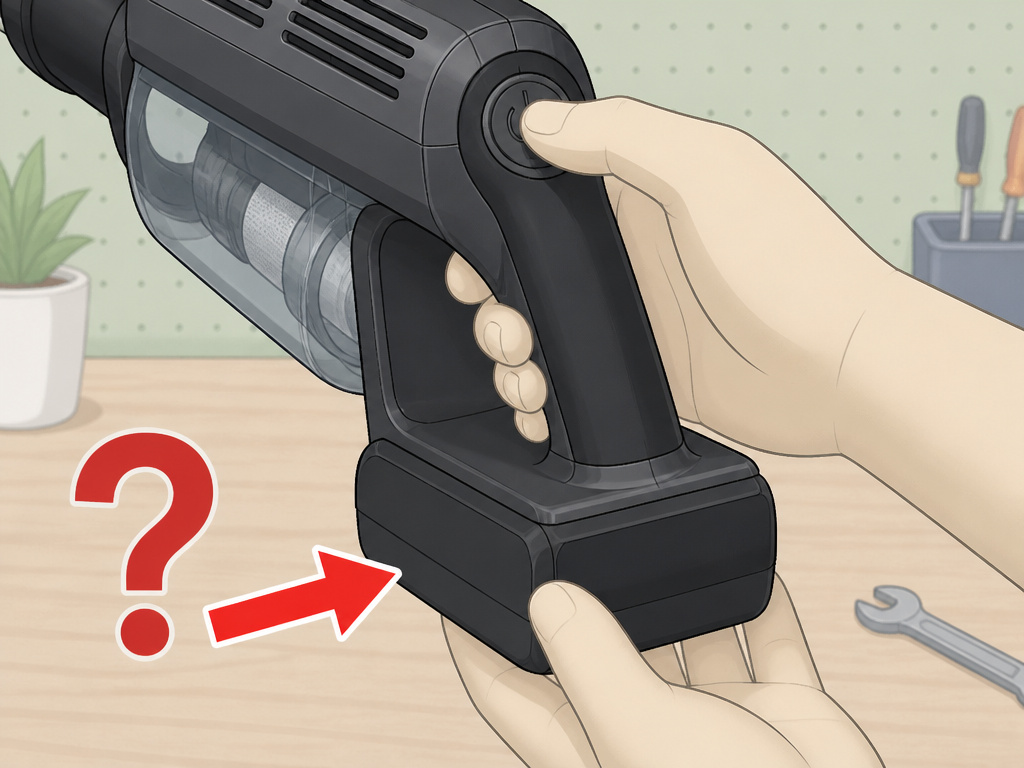
The troubleshooting tree splits immediately based on your power source. Getting this wrong wastes an hour.
| Your Vacuum Type | First Thing to Check | Most Likely Cause if Dead | Immediate Action |
|---|---|---|---|
| Corded (Plug-in) | Wall outlet & power cord | Tripped motor thermostat | Full 45-minute cooling reset |
| Cordless (Battery) | Charging dock & battery indicator | Deep-discharged battery | 3-hour charge on official dock |
| Robot Vacuum | Home base & battery contacts | Failed battery or dirty contacts | Clean contacts, then attempt charge |
For a cordless vacuum that’s completely unresponsive, the battery is your primary suspect. These lithium-ion packs can enter a deep-discharge state if left dead for weeks. The charger may not recognize it. Leave it on the Shark ION Charging Dock for a full 3 hours. If no lights ever come on, the battery may need replacement.
This is distinct from robot vacuum problems, where navigation and sensor issues are more common than total power failure. If your Shark robot won’t charge, the problem is almost always at the charging contacts on the bot or the home base.
The AZ3900UK Powered-Hose Lock: A Specific Fix
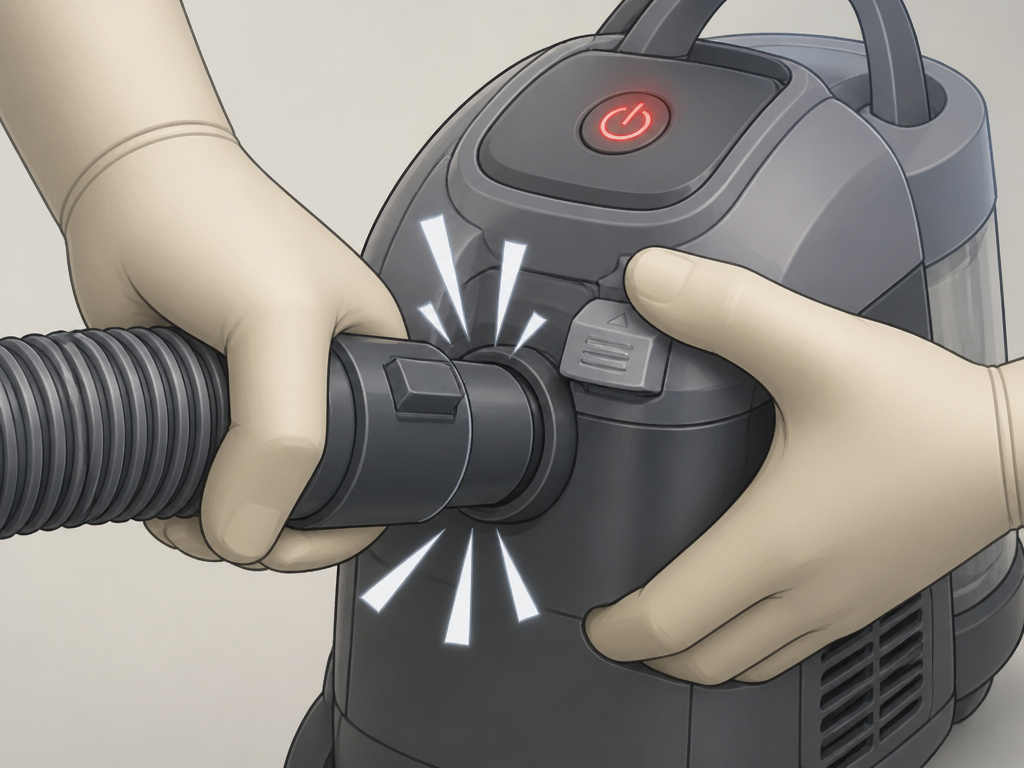
If you own a Shark AZ3900UK POWERDETECT upright, you have a special variable. This series has a “powered hose.” Electrical connections run through it to the floor nozzle.
A safety interlock prevents the vacuum from turning on if the hose isn’t perfectly connected. You can have it plugged in, but the unit stays dead.
Here’s what to do: 1. Detach the hose from the vacuum pod. 2. Reconnect it, pushing firmly until you hear a definitive click. 3. Visually check the ‘Hose Release’ button on the pod. When connected, the front should be fully down and the back fully up. 4. On some models, a silver bar between arrows on the pod’s side will disappear when the hose is locked.
If this connection is loose, the circuit is broken. No amount of resetting will help. This is a known quirk of this otherwise powerful Shark upright model.
When the Problem Isn’t Power, It’s a Blockage
Sometimes the vacuum has power but refuses to start because a sensor is detecting a fault. The brushroll indicator light is the key.
- Solid Red Light: A physical jam in the brushroll. The vacuum may not start, or it may start and immediately stop. Turn it off, unplug it, and remove hair or string wrapped around the brushroll.
- Flashing Red Light: The motorized floor nozzle is overheating. This triggers a shutdown identical to the main motor thermostat. Perform the 45-minute cooling reset after clearing any blockage in the nozzle.
A brush not spinning is often the precursor to a total no-power event. The system detects the jam and shuts down to protect the motor. Ignoring a red light and continuing to try and start the vacuum can lead to a burned-out motor.
The Hidden Culprit: Filters and Electrical Connections
Your vacuum’s brain is smarter than you think. It can detect problems that aren’t obvious.
Wet filters are a major cause of post-reset failure. The official manual states: “Make sure all filters are completely dry before inserting back into vacuum. DO NOT operate the vacuum with WET filters.” Moisture can cause a short or trickle current that the control board interprets as a fault, preventing startup. After washing, air-dry filters for 24 hours minimum.
Beyond filters, remember that many Shark vacuums are modular. The SV1100 series manual notes that the floor nozzle, wand, pod, and handle all contain electrical connections. A loose wand or a cracked pod housing can break the circuit. Disassemble your vacuum and firmly reconnect each component. Listen for clicks.
If you’ve checked every physical connection and the vacuum is still dead, you may be facing a failed control board or motor. This is less common, but it happens. Before you assume the worst, double-check that you’ve allowed a full 45-minute cooling period and that all filters are bone-dry.
Frequently Asked Questions
Why did my Shark vacuum suddenly stop working and won’t turn back on?
It overheated. The motor protective thermostat tripped and cut all power to prevent damage. The most common causes are a full dust cup, clogged filters, or a blockage in the hose or nozzle. You must let it cool for at least 45 minutes after clearing the blockage.
How long does it take for a Shark vacuum to reset?
For a tripped thermal cutoff on a corded model, the reset time is a non-negotiable 45 minutes of complete cooling with the unit unplugged. For a cordless model with a dead battery, a full recharge on the official dock takes about 3 hours.
Is there a reset button on a Shark vacuum?
No, there is no user-accessible reset button. The reset is automatic but time-based. For thermal overload, it’s the 45-minute cool-down. For cordless models, it’s a full recharge cycle. For models with a powered hose like the AZ3900UK, the “reset” is re-seating the hose until it clicks.
Can a blown fuse cause my Shark vacuum not to turn on?
Shark vacuums do not have a user-replaceable fuse. They use a self-resetting motor thermostat. If your home’s circuit breaker blew or a GFCI outlet tripped, the vacuum won’t get power. Always test the outlet with another device first.
What does it mean when my Shark vacuum brush light is red?
Solid red brushroll light means a jam. A flashing red light means the nozzle is overheating. Both conditions can cause the vacuum to shut down and refuse to start. Clear the jam and let the unit cool for 45 minutes.
Before You Go
Start with the outlet and the battery. For a corded vacuum that died mid-clean, the 45-minute thermostat reset is your best friend. For cordless models, patience on the charger is key. Don’t overlook the simple stuff: a disconnected hose on an AZ3900UK or a damp filter can stop a vacuum cold.
If you’ve done the full reset, cleared all blockages, and confirmed dry filters, the issue may be internal. At that point, knowing your specific Shark model is crucial for further diagnosis or seeking service. The fix is almost always in the sequence: cool it down, clear it out, charge it up, and click it together.